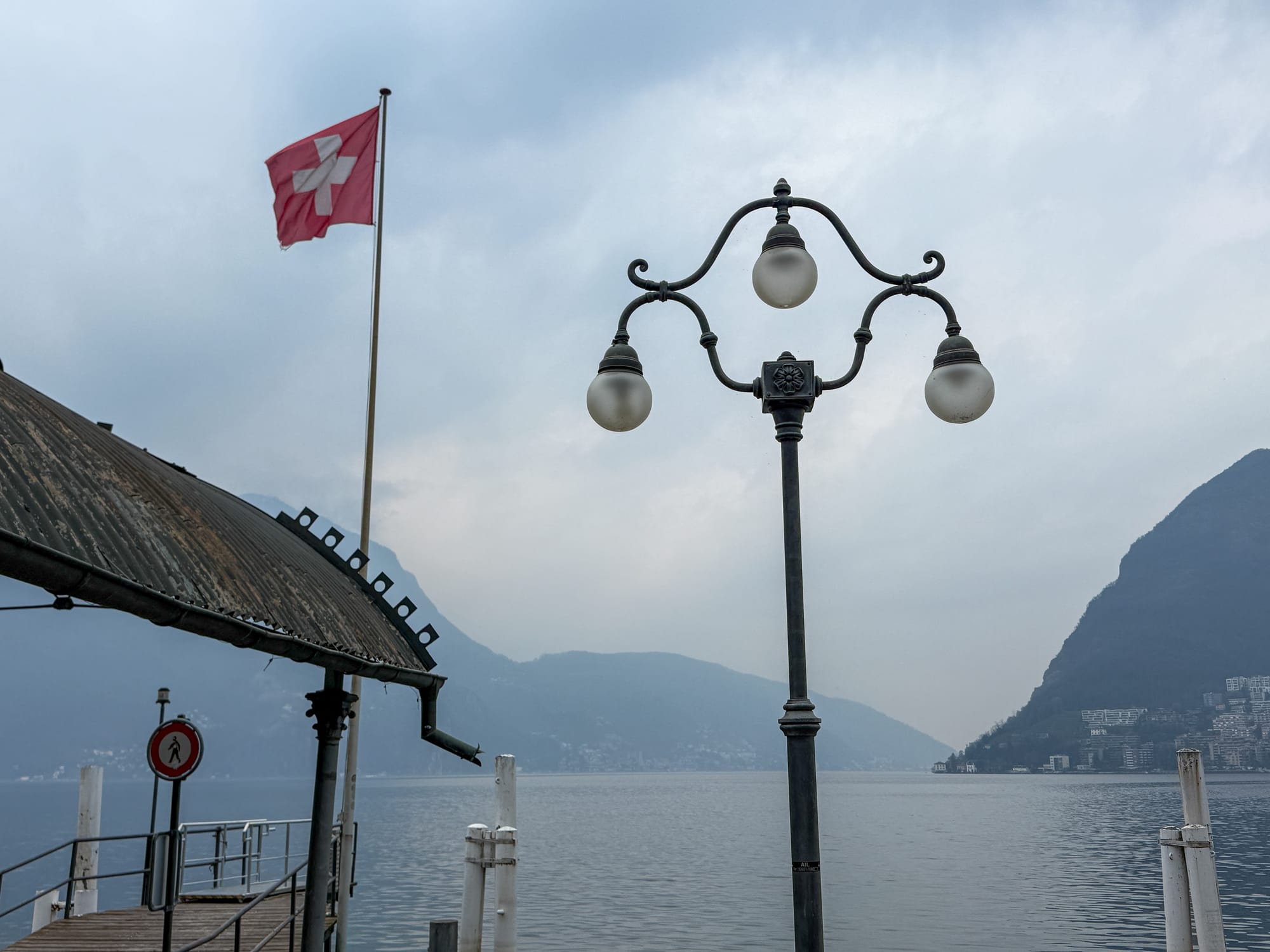

Lugano doesn’t feel like a place where a football club would be building European ambitions. Yet, that’s exactly what Chicago Fire owner Joe Mansueto is trying to do there.
Six days after the Fire broke ground on their new state-of-the-art, soccer-specific downtown stadium, I arrived in Lugano to learn more about Mansueto’s other project. I arrived in the evening, with the last hour of the journey from Zürich framed by a sunset over the Swiss mountains. The city felt more like an Alpine village than a footballing hub.
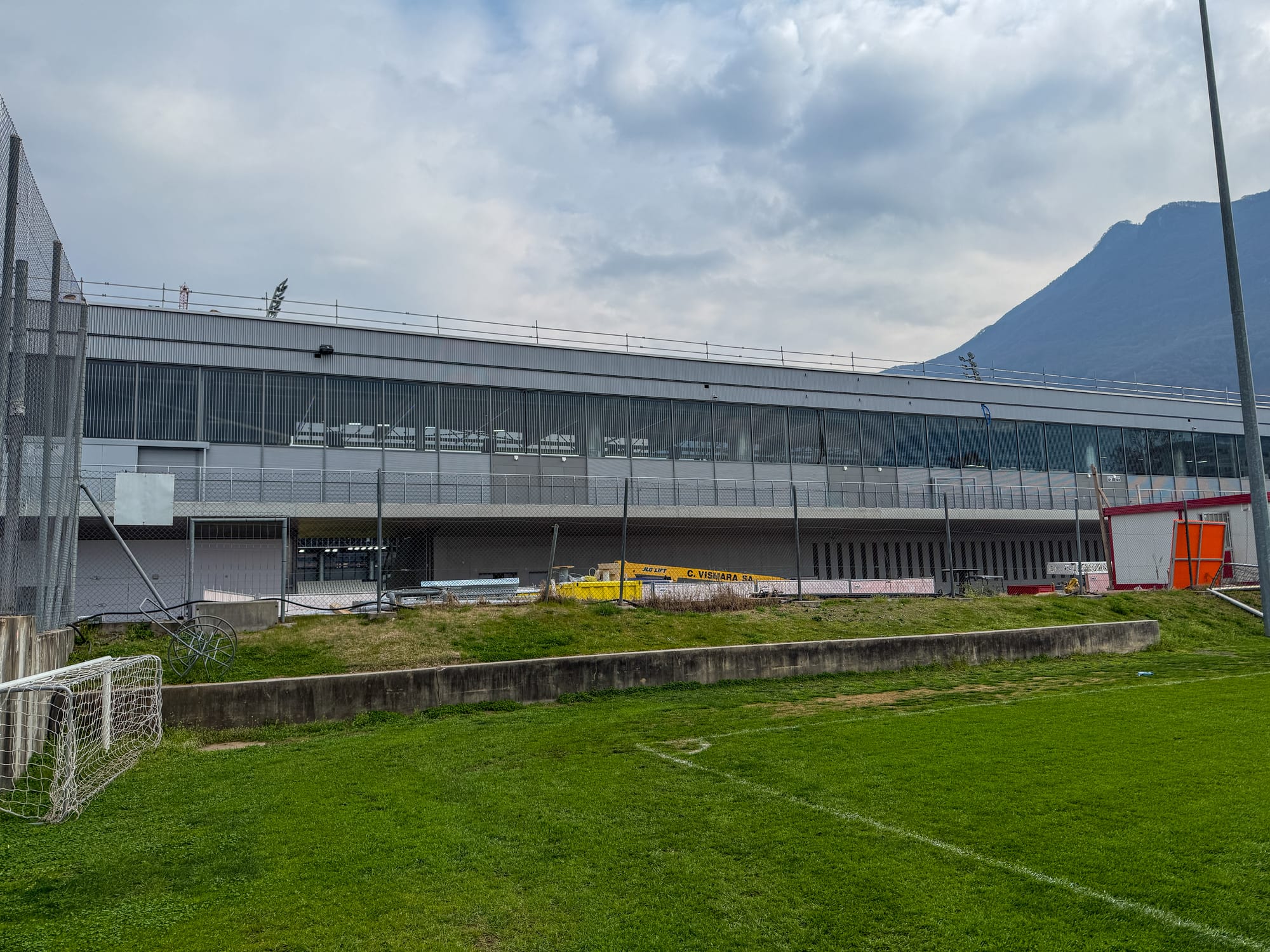
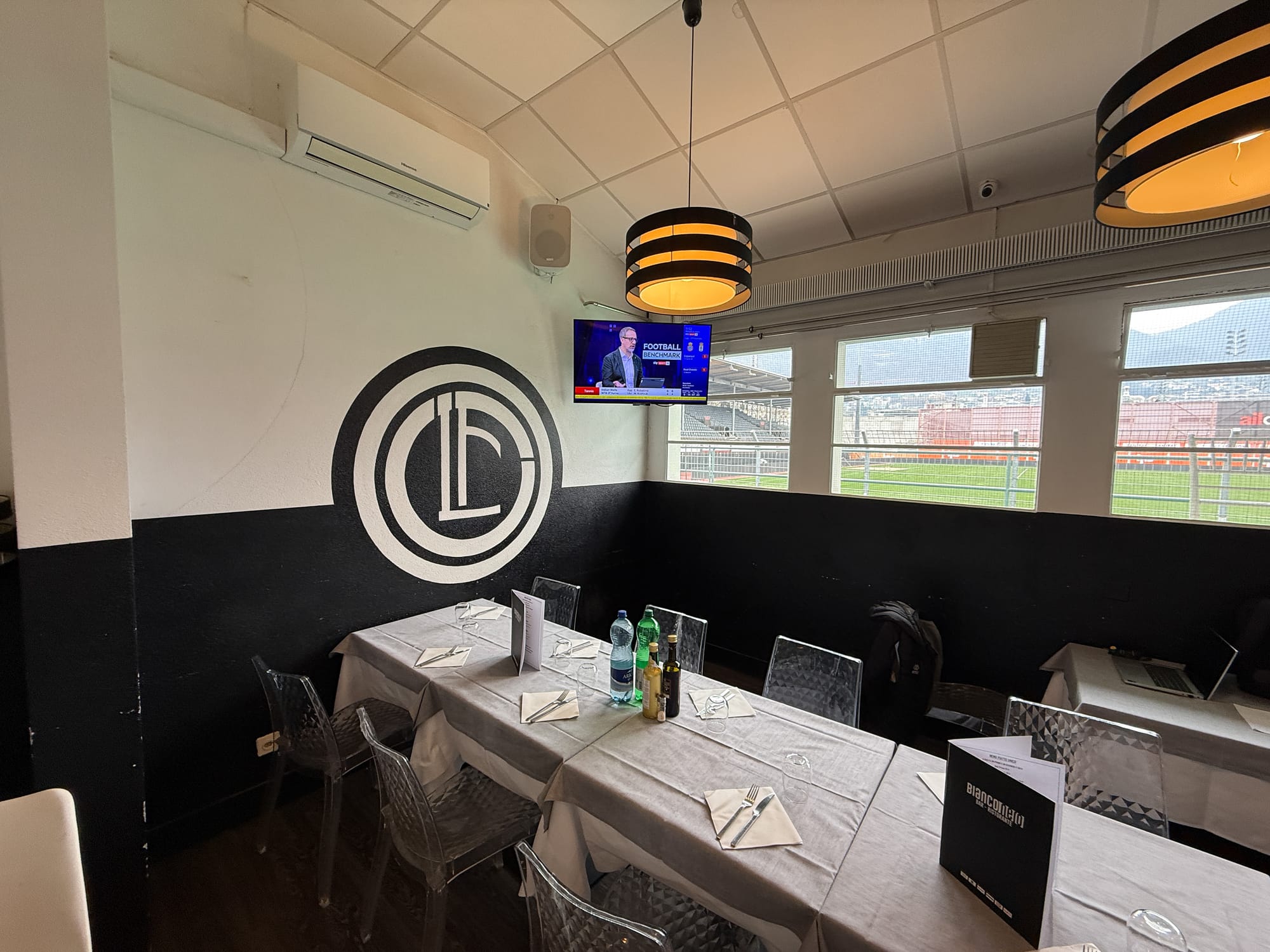
By the time I reached Cornaredo Stadium on Tuesday morning, it was clear this wasn't a place built for top-level competition, and the facilities didn’t match the ambitions we’ve heard so much about. But the sound of construction filled the air, because just next door, the new AIL Arena was nearing completion.
That contrast – between what Lugano is now and what it’s about to become – sits at the center of the project.
In the summer of 2021, Joe Mansueto shocked the Swiss football world when he agreed to purchase Swiss Super League outfit FC Lugano.
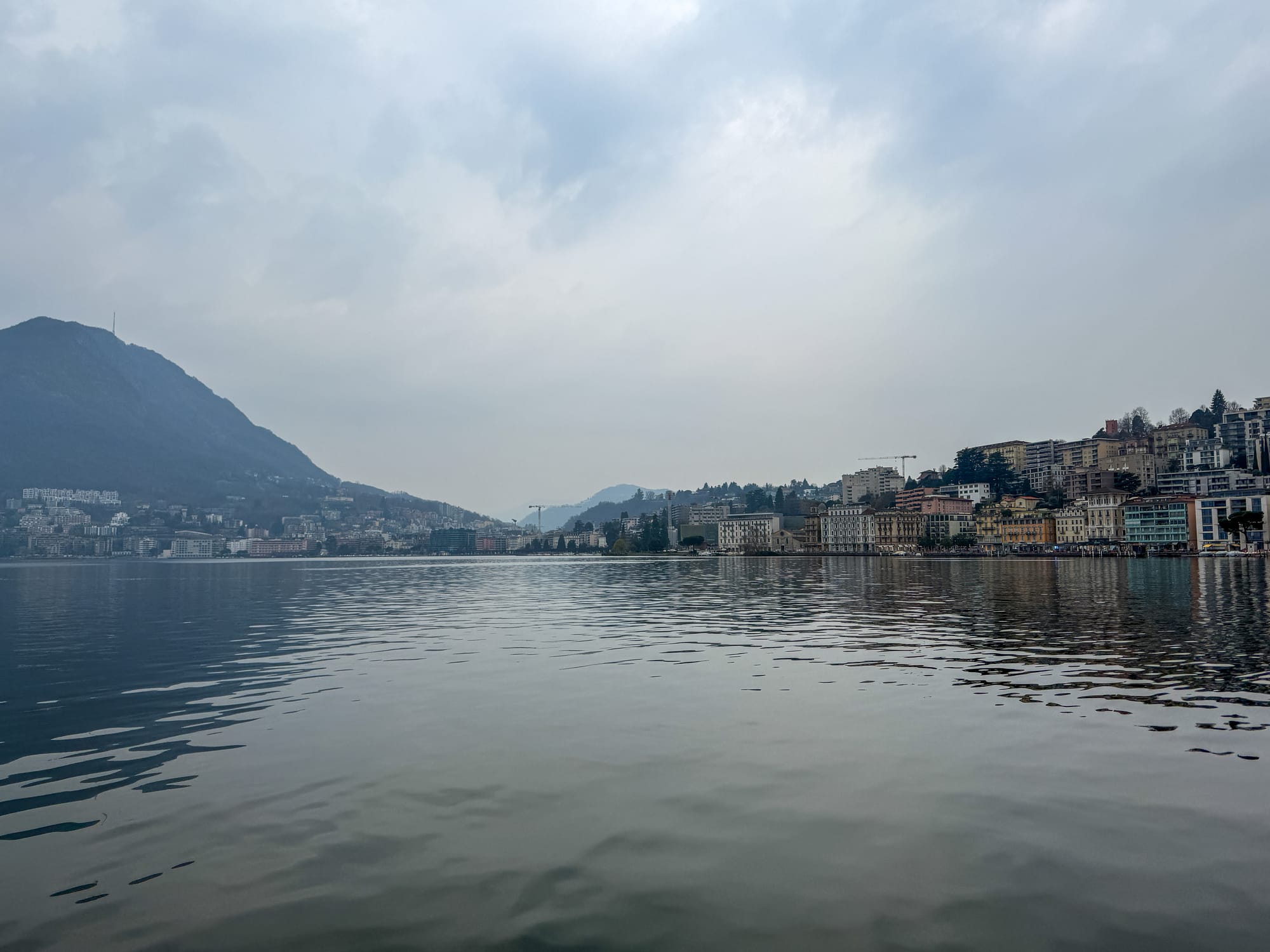
On the surface, Lugano and Chicago have nothing in common besides being cities located along lakes. Chicago’s Lake Michigan eclipses the entire country of Switzerland in size; visible just a few kilometers across Lake Lugano is the Italian exclave of Campione d’Italia. Chicago is one of North America’s leading cities, while Lugano could best be described as a collection of mountain villages perched among the southern Swiss Alps.
Now, Chicago and Lugano are bound together in a footballing sense as part of a single vision. The term “sister club” is used regularly around the world these days, and even if the cities and their histories have few shared traits, there are sororal things that tie the two Mansueto clubs together in many ways below the surface.
While the Fire were kicking off their stadium project this month, Lugano were completing the opposite end of their process. On the day I visited the club's facilities, paperwork was finalized concerning their stadium agreement, with the AIL Arena construction next door in its final days.
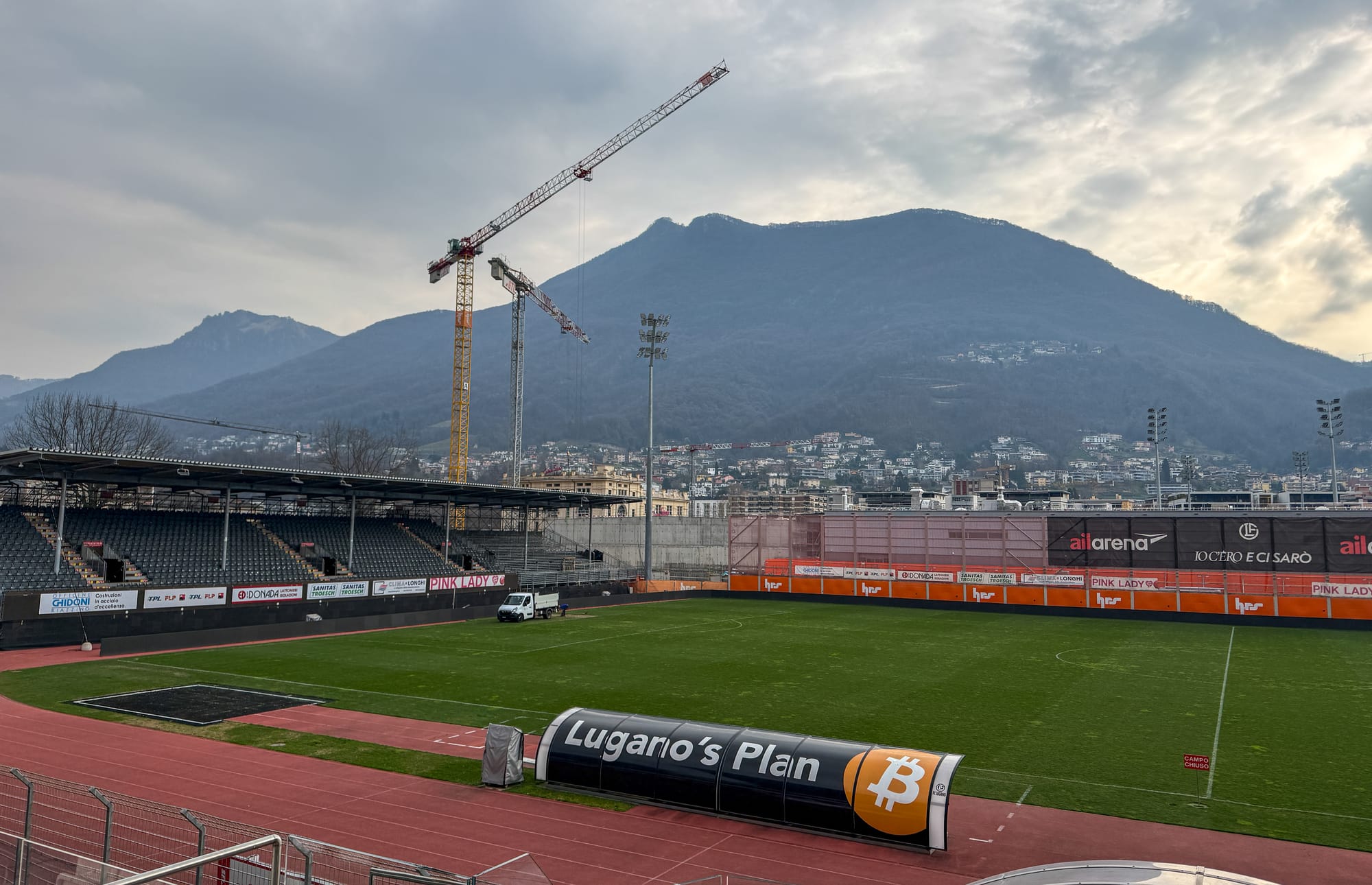
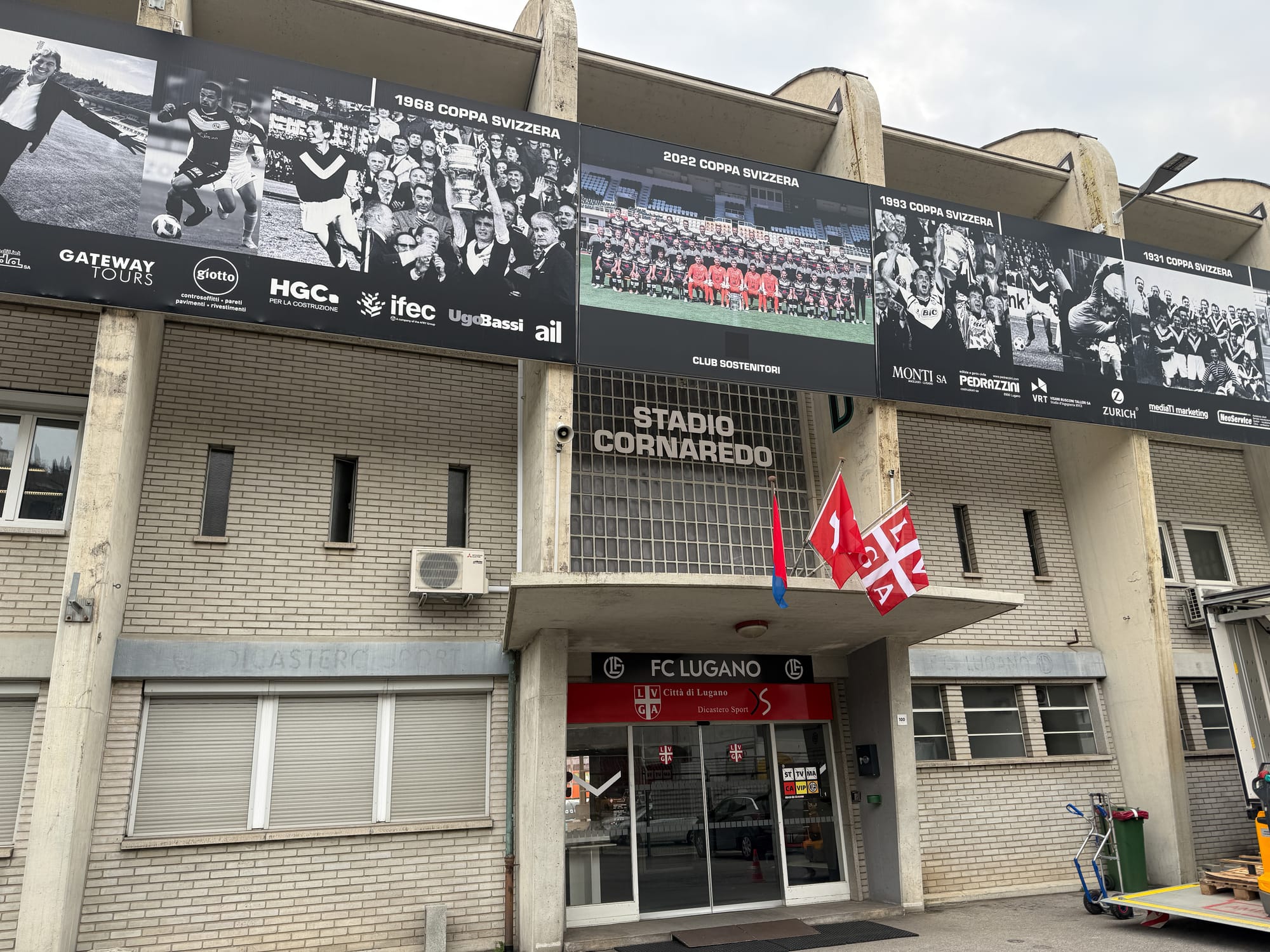
This was something Lugano has needed a very long time. Their traditional home, Cornaredo Stadium, has been outdated for years. It is fully controlled by the city government, so the club must seek permission every week to play there for league matches. Its facilities lagged far behind those of the rest of the Swiss league, and the playing surface was unusable more than once a week. For European competitions, Lugano had to play matches elsewhere, such as in Zürich or Thun, as the facilities did not meet UEFA standards. The national league even had to grant Lugano permission to continue playing league games there in recent seasons.
Glancing from the main stand across the Cornaredo, in place of the remnants of the stadium’s east stand, is the solution to those problems. It’s a solution that has been in the works for years, and the excitement for it was palpable throughout the town.
The city of Lugano already had plans for a new stadium before Mansueto assumed control of the club. However, after the takeover was completed, Mansueto expressed hopes for several key alterations to the plans, aiming to make the new arena one of Europe’s elite “boutique” stadiums. To make that happen, he made a donation of upwards of $80 million US to the city, which the city used to transform the stadium's design to match Mansueto’s personal ambitions for the club.
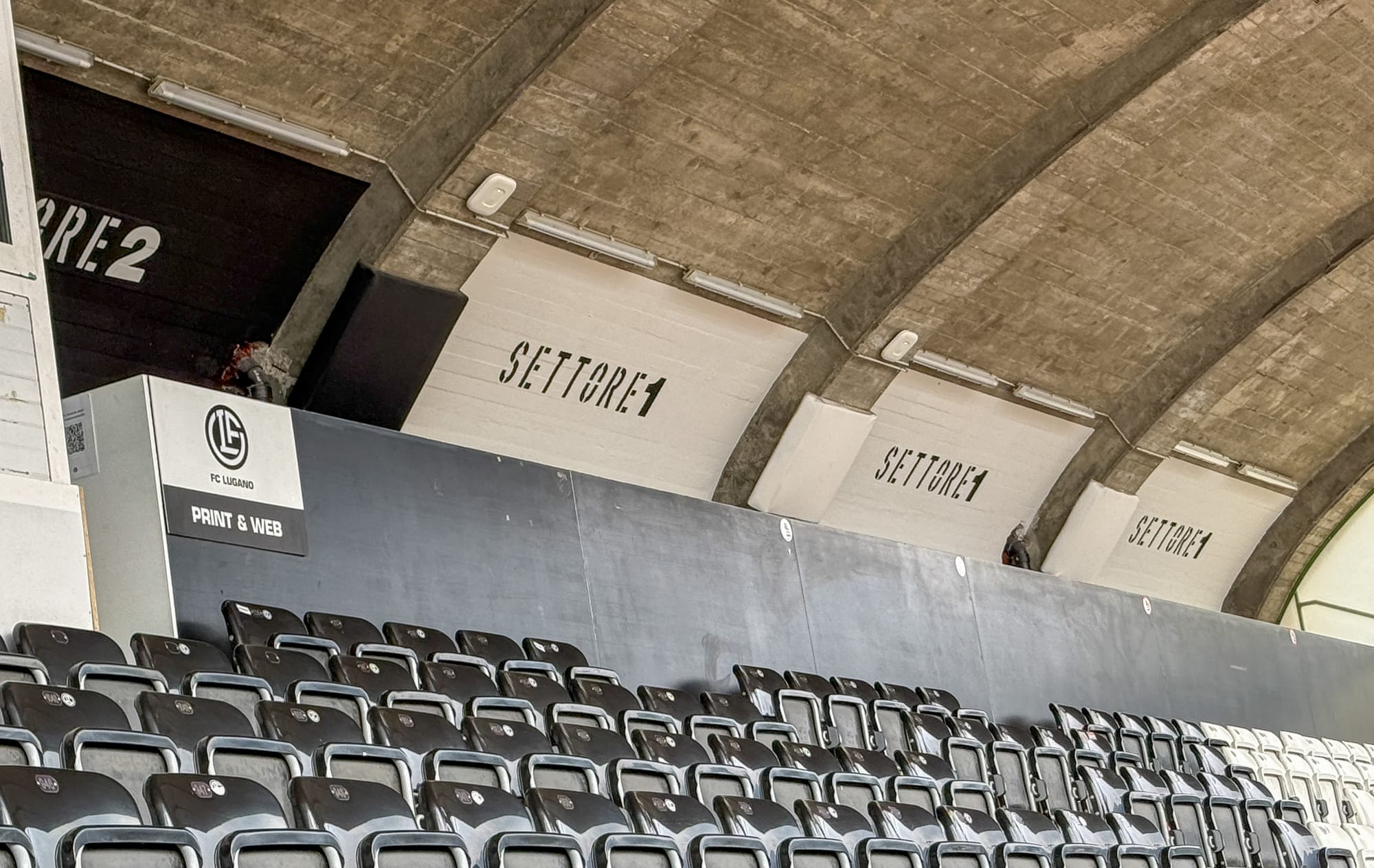
When the stadium opens its doors for its first-ever match – a Swiss women’s national team World Cup qualifier in June – FC Lugano will have transformed overnight from having the worst stadium situation in the Swiss top flight to one of the best. While it won’t be as big as Young Boys’ famed Stadion Wankdorf or FC Zürich’s Stadion Letzigrund, the AIL Arena is perfect for Lugano’s small population of around 70,000 while matching the club’s ambitions to be among the nation’s elite on the field.
Having spent countless days at Bridgeview during my first three years covering the Fire, I’m familiar with what a subpar training setup looks like. Lugano’s facilities, or lack thereof, make it seem like paradise.
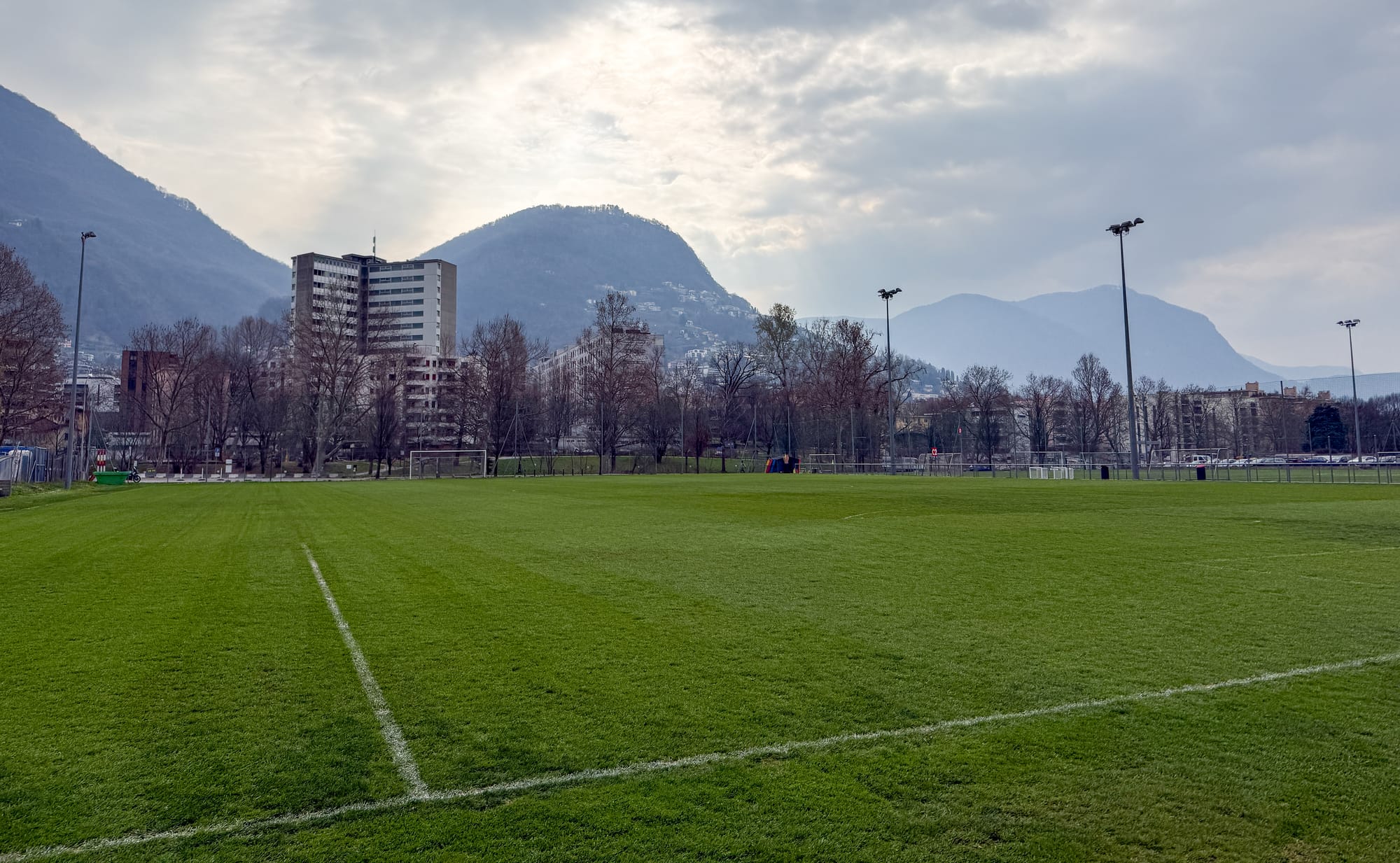
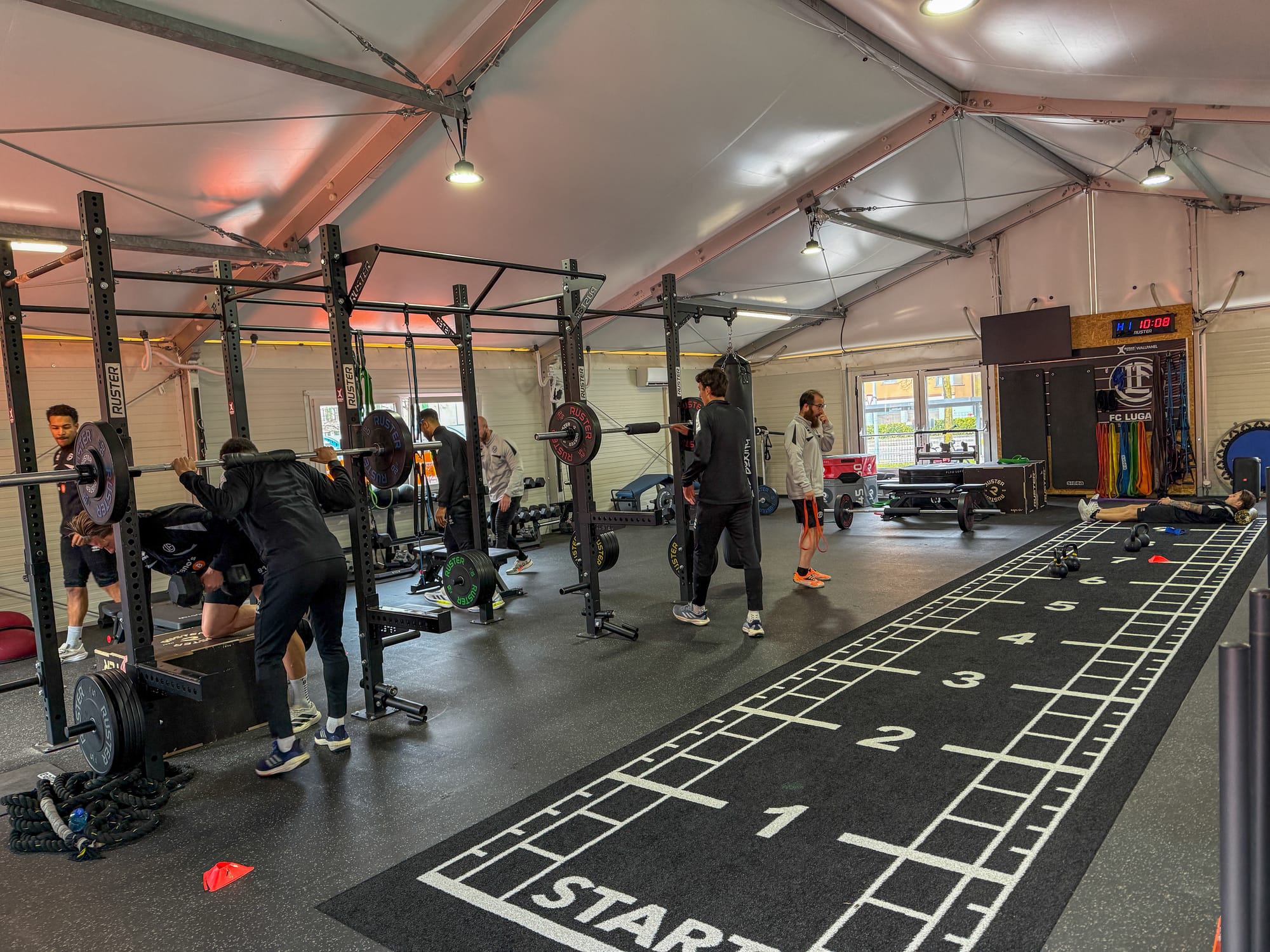
There is a training pitch adjacent to the current Cornaredo Stadium. However, it is a bare-bones setup, with a grass pitch that can only be used sparingly, and a one-room team gym in a shed.
For daily training, after morning gym sessions, the team must take small vans several minutes to the tiny mountain village of Cadro, whose municipal pitch is the first team’s main training home during the week; the club has a short-term agreement with the village to use the picturesque mountain field, which is located in the backyard of a local elementary school and was recently upgraded after an investment from the club.
The club hopes this will change soon. In addition to the stadium, new training pitches will be added to the area. The current Cornaredo site will be converted into apartments, bringing a neighborhood feel to the project around the new FC Lugano.
It’s not too different from the completed and planned work in Chicago, like the $100 million training center completed last February. The details and scale differ, but the concept is the same.
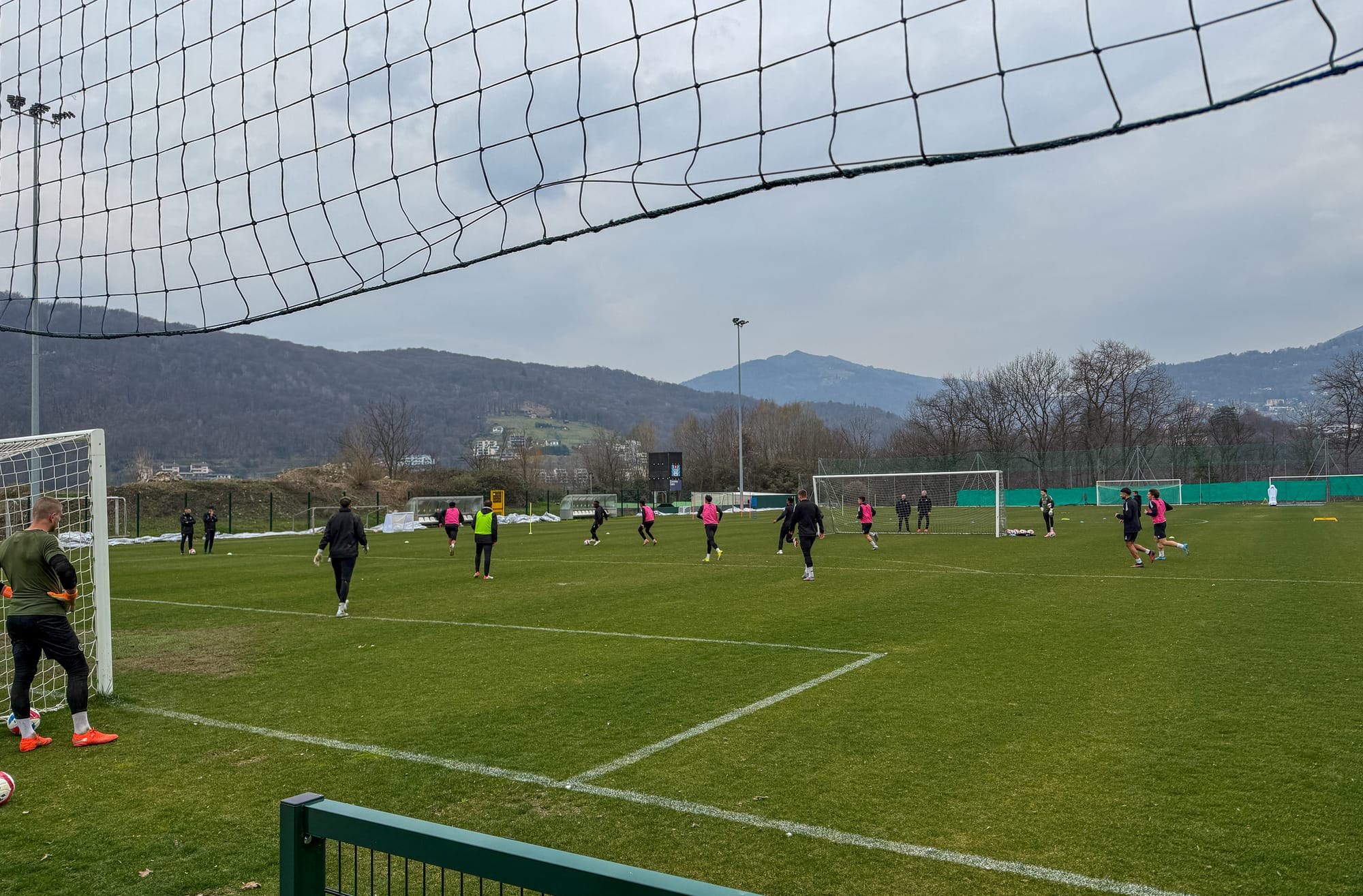
Both Lugano and the Fire are embarking on ambitious yet realistic infrastructure projects aimed at bringing their respective clubs to where they want to be. The way to go about it in Switzerland and in Chicago are incredibly different, and both faced their fair share of administrative and planning hurdles, but with the Lugano project taking shape and construction on the Fire’s stadium now underway, the two sister clubs are a big step closer to having facilities that match their aspirations.
In 2025, the Fire finally ended an eight-year playoff drought that dated back several years before Mansueto bought the team. The moment they won their first postseason game since 2009 – a 3-1 Wild Card drubbing of Orlando City under first-year Head Coach Gregg Berhalter – was one of relief and jubilation, representative of what everyone that the club hopes will be the start of a new era in Chicago.
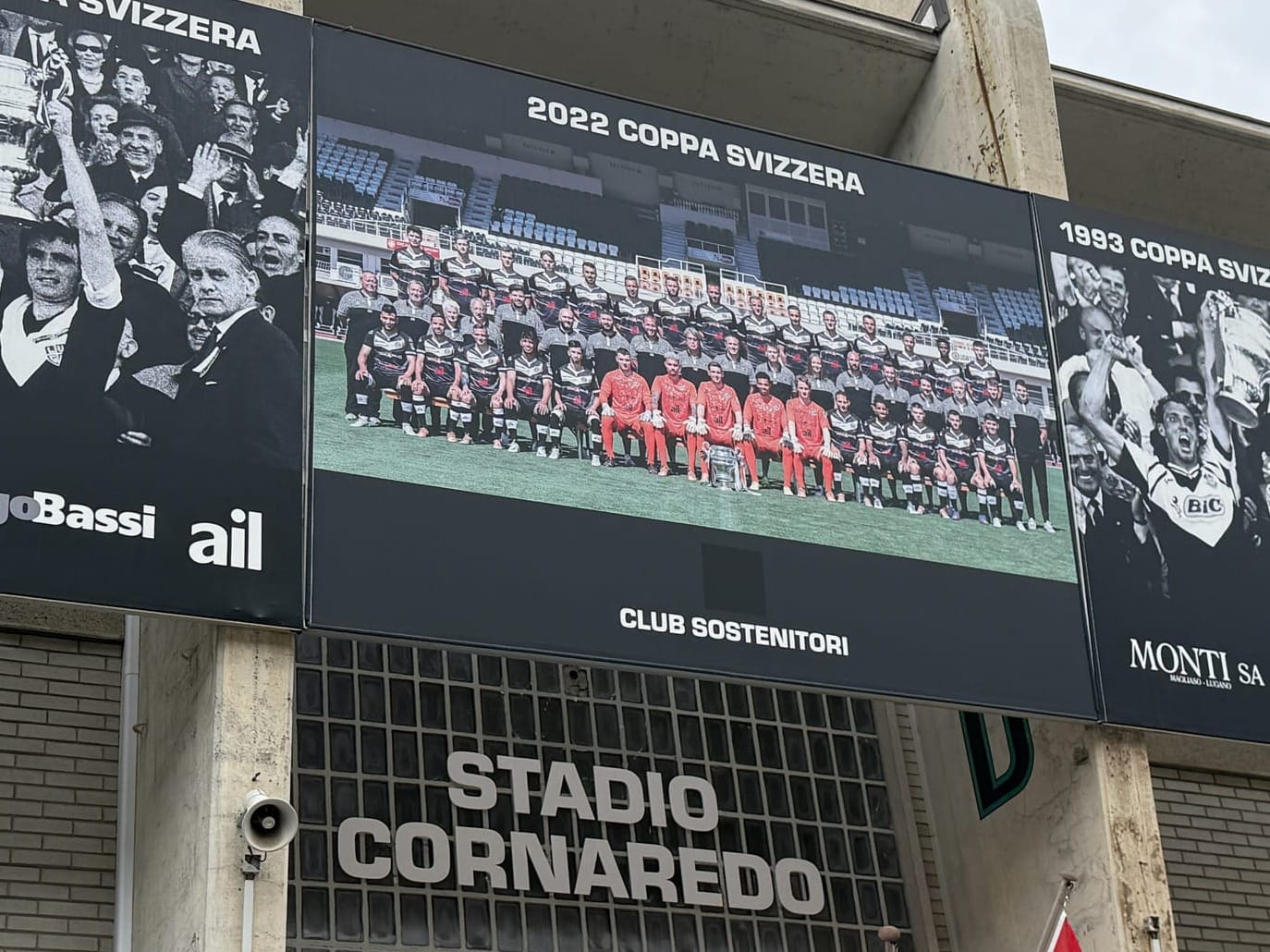
Lugano reached a similar moment much earlier in the project. In 2022, their first full season under American ownership, the Bianconeri won the Schweizer Pokal (Copa Svizzera) for the first time since 1993, bringing a major trophy back to Ticino after nearly three decades. European qualification followed, along with runs in both the Europa League and Conference League.
Though a league title still evades them, they are trending in the right direction. In the ever-unpredictable Swiss system, Lugano is now firmly established as a club in the mix at the top after years of trailing behind the big clubs on and off the field. As one of two top-flight clubs with massive wealth now behind them, they’re in a great position to stay there for years to come.
Their relevance domestically also aligns with the larger vision Mansueto seeks to emulate, emphasizing the symmetry and synergy between the sister clubs. One or two players have moved across the pond each year since 2022, a model that has seen several successes going both ways. Ignacio Aliseda and Georgios Koutsias were among the players to move to Switzerland, with the talented young Greek striker emerging as a Conference League hero last spring. Maren Haile-Selassie, who scored in Lugano’s cup final win in 2022, has been an excellent addition to the Fire and is now entering his fourth season with the club, with multiple marquee moments on his résumé.
This relationship exists at the top as well. Berhalter, as the leader of the sporting side for the Fire and, by extension, the wider project, is in frequent contact with the leadership at Lugano and is involved in discussions. Sebastian Pelzer, the Fire’s technical director from 2020 to 2024, is at the center of transfer decisions in Ticino as well, while former Fire sporting director Georg Heitz is a part of the project as a board member behind the scenes.
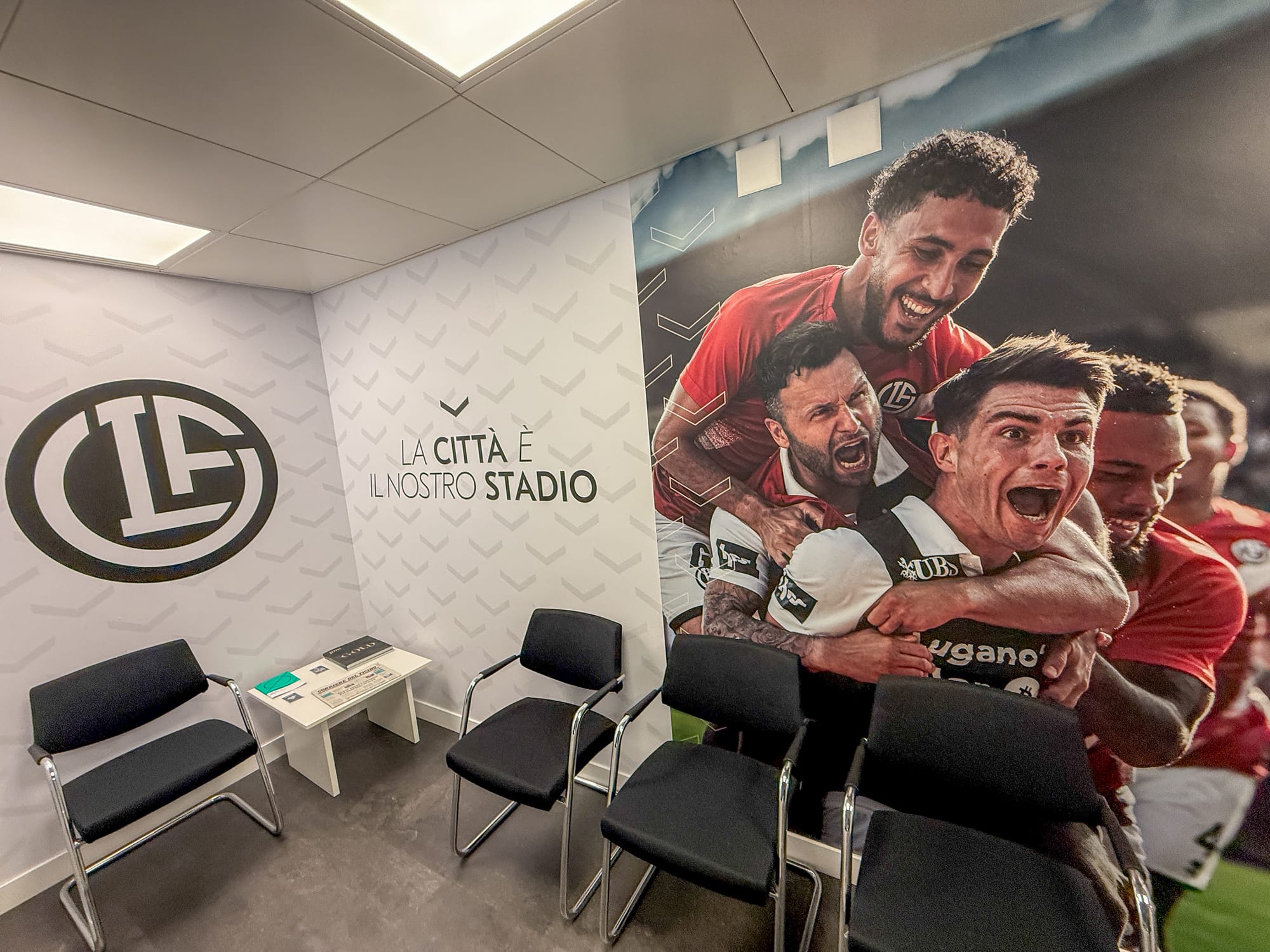
Again, it looks different at each club, but the structure is the same. What’s taking shape here isn’t just two clubs under the same ownership, but a single footballing vision being built in two places – each at its own stage and in a different environment, but moving in the same direction.
After visiting the stadium, watching first-team training, and meeting many of the people who make the club run from top to bottom at the downtown offices, my tour came to an end by mid-afternoon. I had about an hour to explore the city center before boarding my train back to Zürich.

I spent that final hour walking along the fog-covered lake. It was clear that Lugano is one of the most beautiful places on the planet – but it didn’t feel like a football city.
It doesn’t have to. The reenergized FC Lugano and its new stadium reflect the city’s identity and feel like more than just a passion project. As the club grows, it will do so in parallel with its sister in Chicago.