


Table of Contents
In 2025, the Chicago Fire took several major steps forward in Gregg Berhalter’s first season with the club. On the pitch, the team 23 points in the standings and returned to the MLS Cup Playoffs for the first time since 2017, propelled by record numbers from academy products and a significantly revamped roster featuring new players like Philip Zinckernagel, tallied 15 goals and 15 assists (and received an All-Star selection) in his first MLS season. Off the pitch, the Fire opened a new $100m state-of-the-art training facility and revealed plans for a new stadium as the team broke its attendance record for the third consecutive year.
As the team looks to build on that momentum, here’s nine New Year's Resolutions for the Fire in 2026.
Allow 45 (or Fewer) Goals
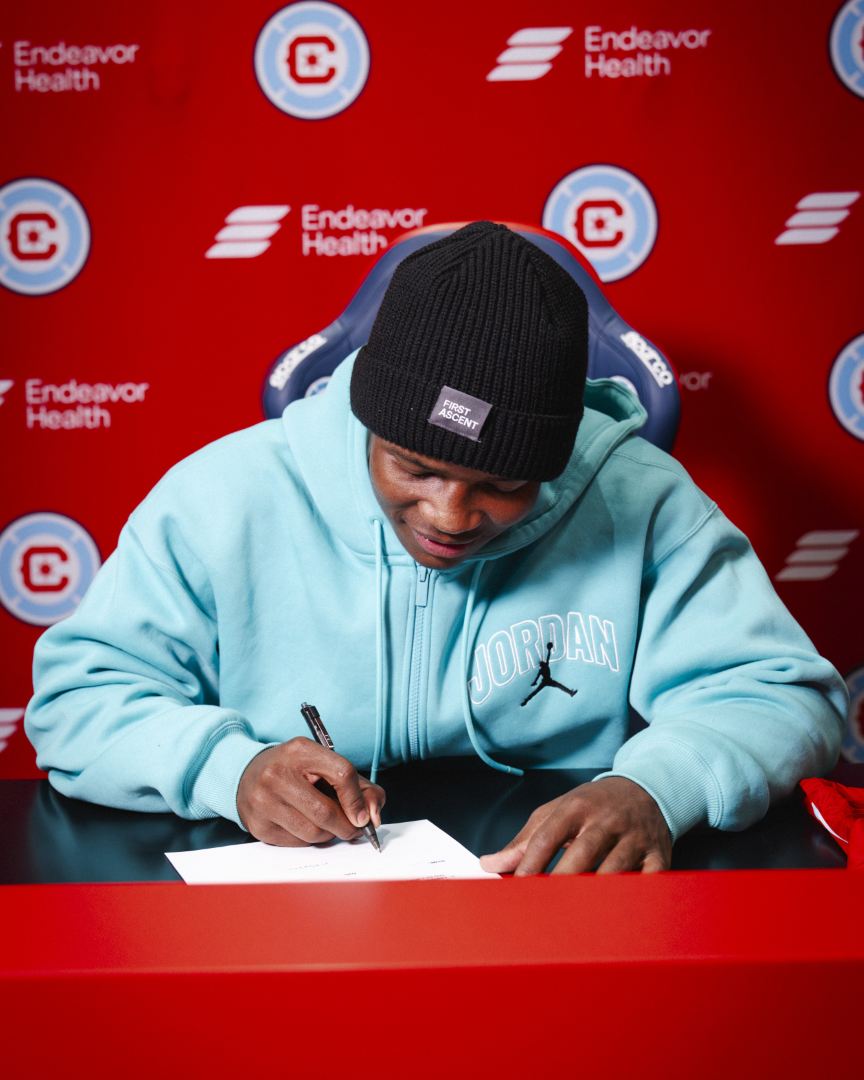
For most of 2025, the Fire’s defense was the biggest concern. Despite consistent performances from Chris Brady in goal, the Men in Red leaked goals at a very high rate; they scored the second most times in all of Major League Soccer, only trailing Inter Miami, but also conceded the sixth most, seeing the ball score past them 60 times.
That concern at center back seems to have been alleviated. They now have one of the best central defensive groups in the league, with Jack Elliott, Joel Waterman, and new South African signing Mbekezeli Mbokazi all high-level starters. There’s also rapidly developing top prospect Christopher Cupps, and Sam Rogers, who racked up 23 appearances in 2025. The full back positions are also well stocked, with Serbian youth international Viktor Radojević adding a new dimension and depth on the left side.
Regardless of how the Fire’s back line is organized formationally, there’s no reason they shouldn’t progress massively in 2026. They upgraded personnel-wise in adding the exciting Mbokazi and Radojević, and are only going to get better as Cupps continues to develop into the league’s top American defensive prospect. Berhalter has developed his team with the flexibility to play in various versions of a back four and a back five, which adds tactical fluidity based on the opponent.
A good objective will be to cut the team’s goals allowed stat down by at least 30%. That would bring the Fire in line with the rest of the top-half teams in the Eastern Conference and reduce the burden on the attack to score at such a prolific rate to offset the goals they conceded. If the Fire can concede no more than 45 goals in the regular season and score at a similar pace, they would be positioned to be a top 2 team in the East.
Land A Big Name – Or Move on To Plan B
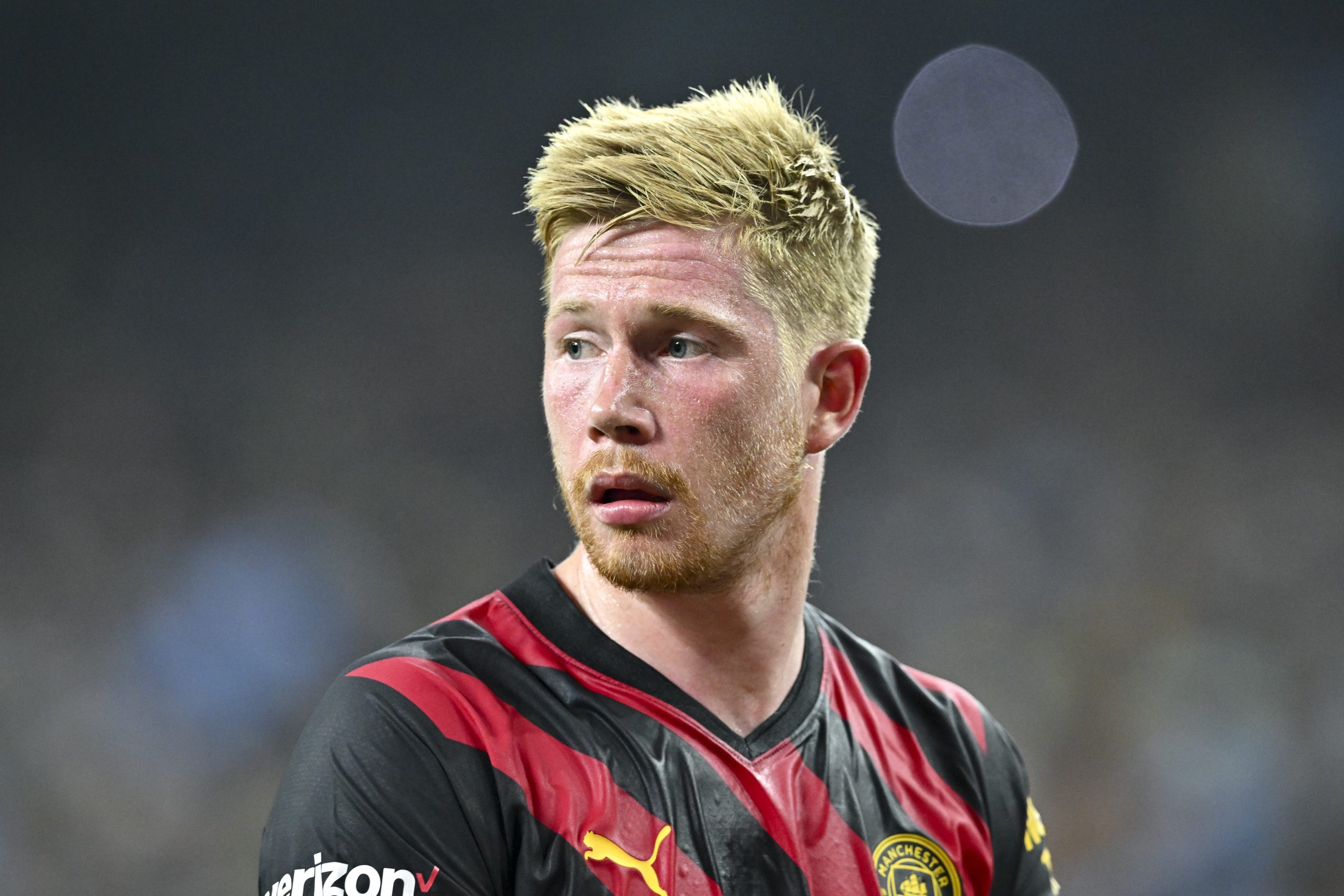
In 2025 the Fire were linked with some of the biggest names in global soccer. In January, it was Brazilian superstar Neymar. In April, efforts to bring Kevin de Bruyne to Chicago surfaced before the Belgian international elected for a move to Napoli. Neither – as more astute readers may have noticed – wound up in Chicago. More recently, the team has been solidly linked with striker Robert Lewandowski, an international star and one of – if not the – greatest footballers in Polish history for a possible summer move.
Behind the scenes, the Fire have also had discussions with agents and clubs about several other of the biggest names in global soccer, including some who have realistic aspirations of lifting the World Cup trophy at MetLife Stadium this July.
Here’s the thing: In 2026, the Fire either need to land one of their superstar targets or move on.
Not because they can’t land a big name – Chicago may not have the glamour of Los Angeles, nor does it have a certain Argentine superstar, but the city remains a desirable destination. Bastian Schweinsteiger has spoken highly of the city and his time here. Combine the location with the Fire’s new, world-class training facility with a stadium on the way and the city has advantages that few clubs in MLS – and not that many in the world – can surpass.
Instead, the reason the team needs to either land a target or move on is because this team is looking good. The 2025 edition of the team clearly had flaws – which, through early work in the offseason, the team has already largely addressed, at least on paper.
The team isn’t that far away from competing for hardware – but to have the best possible chance of doing that, they need to use every weapon in their arsenal – and that means signing a third Designated Player.
Sure, Chicago would love it if Lewandowski was here. But you know what else Chicago would love? A winning team. This has always been a city that values a team getting results. The Fire aren’t far off from doing that, but windows in MLS, where rosters turn over quickly, are short.
It’s great that Chicago are swinging for the fences, but sometimes you don’t need to score a home run – you just need to win the game.
Mo(re) Bamba
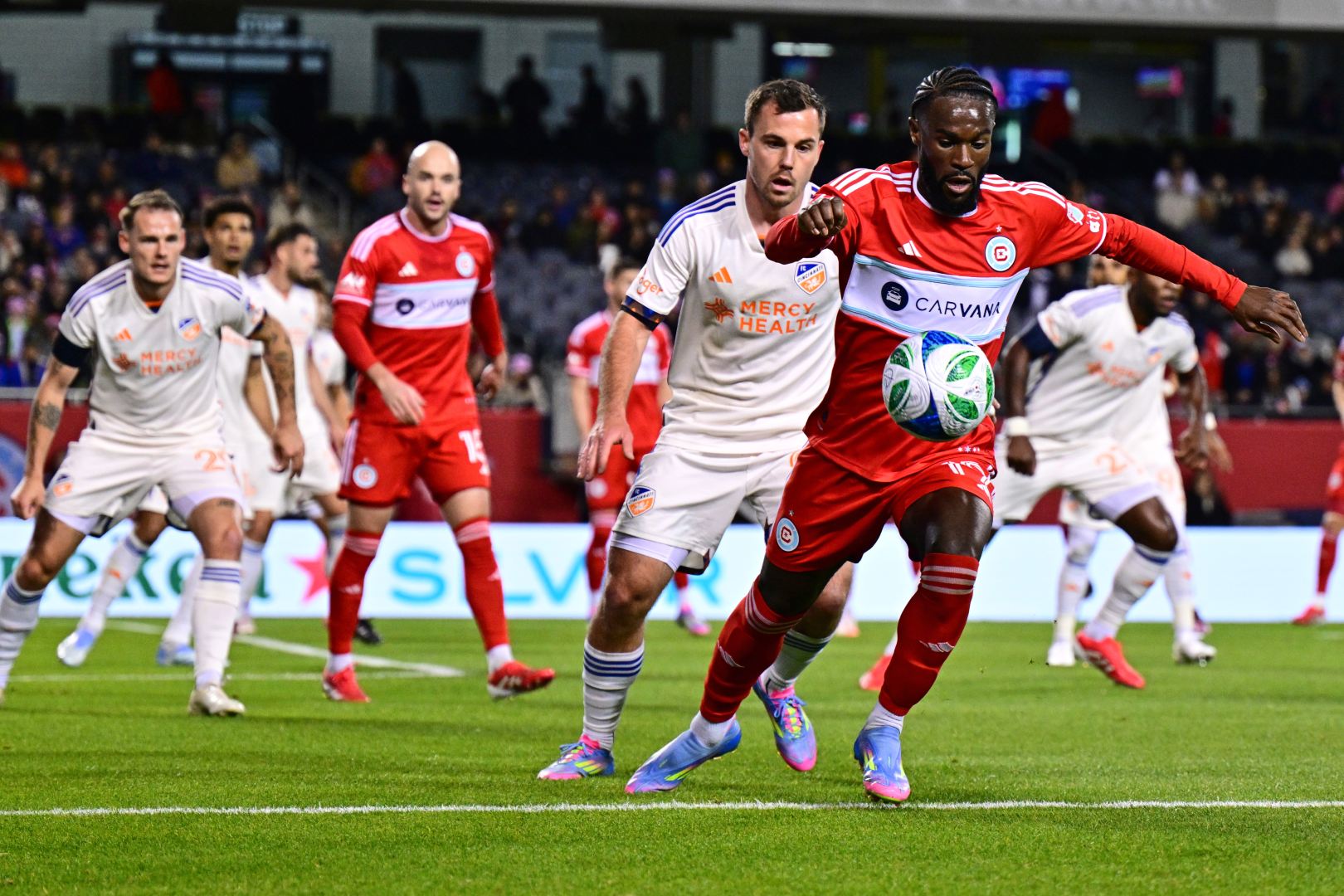
While some of the underlying numbers would lead to praise for Jonathan Bamba’s performance in 2025 for doing all the dirty work at a very high level, there was still quite a bit of meat left on the bone for the team’s highest paid player. On the surface, 15 goal contributions and some of the best progressive passing in MLS is a successful first season, the Fire will need more from Bamba in and around goal in 2025 as teams look to key in on MLS Newcomer of the Year finalist Philip Zinckernagel following his record breaking year.
Bamba’s number tell a fairly simple story: the lack of a finishing touch, paired with limited shots on goal hold the winger back from being a top attacker in MLS. Bamba finished 2025 with .21 Goals/Shots on Target, meaning about 1 in 5 shots that Bamba put on frame found the back the of the net. That mark is notably similar to Denis Bouanga’s of .28 G/SoT, the difference between the two? Volume. Bouanga scored nearly five times as many goals on roughly triple the shots as Bamba.
Even more of an outlier on that chart is Philip Zinckernagel: Although he only had 30 shots on target, he converted half of them into goals. That is an insane number – and one tha’ts likely to regress. That puts pressure on Bamba to produce more from the opposite flank if the Fire’s record-breaking offense is going to continue scoring at the same rate in 2026.
Bamba will have every opportunity to increase the more flashy attacking numbers fans expect to see from one of the highest paid players in MLS. As is the case with many European players who come to MLS in the winter window, Bamba suffered from the lack of an offseason in 2025, coming straight from Celta Vigo to Chicago, playing for nearly 18 months and 3200 minutes without having a real chance to recover, either mentally or physically, from the previous year.
He also enters 2026 with a chance to capitalize on the gravity of Philip Zinckernagel as opposing defenses will likely gear towards shutting down the Dane, creating space on the left for the Bamba and Gutman partnership to continue to flourish. Should the Fire look to take the next step towards MLS contenders, Jonathan Bamba needs to build on the successes of 2025 between the boxes, and improve inside the box to help the squad take the next step.
Get Shovels in the Ground – and Eyeballs on the Team
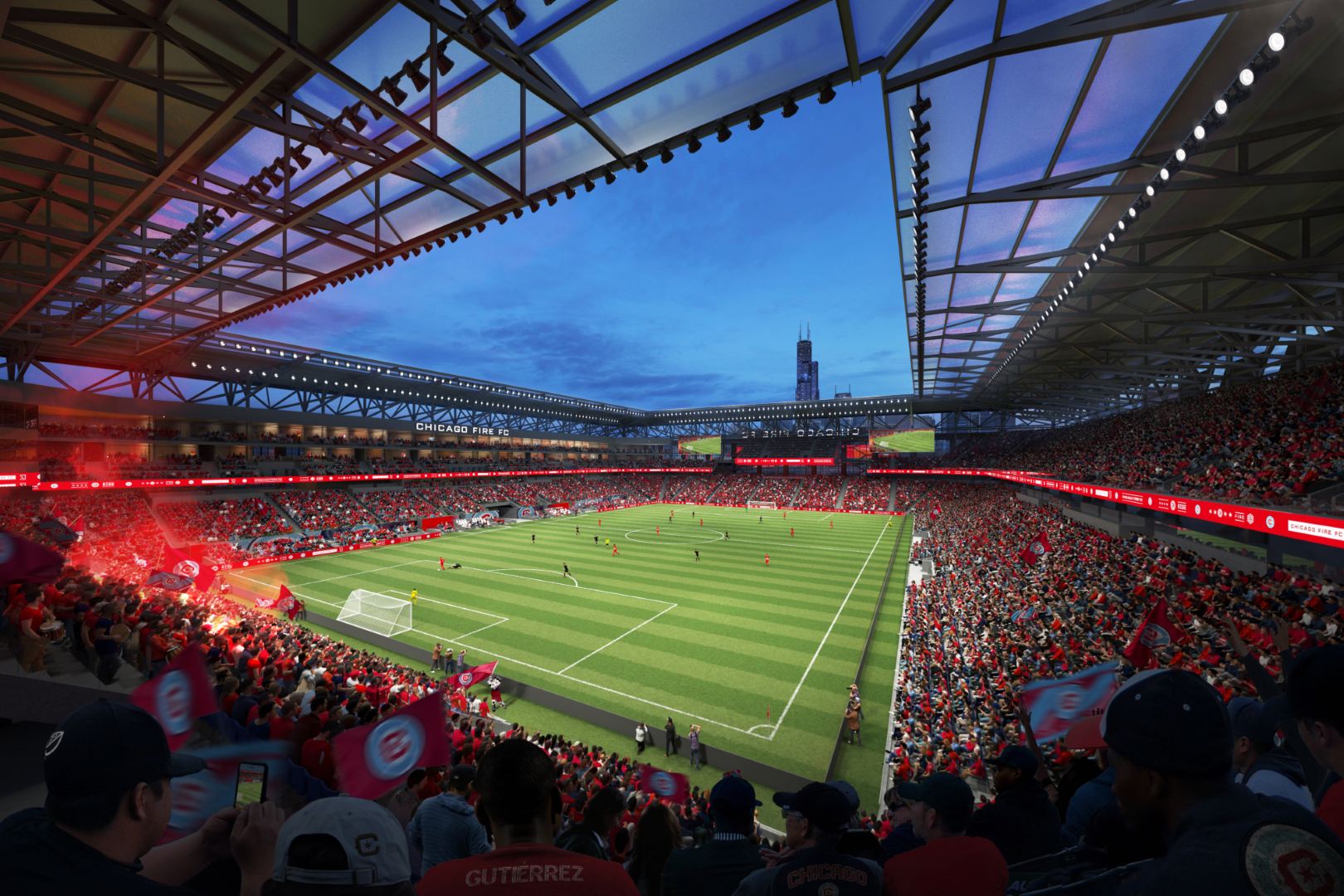
The Chicago Fire have announced plans for a new, privately-financed stadium in The 78, centrally located in Chicago. The new stadium promises to be transformative for the way the Fire are viewed in the city. It will give the team a home to call their own in the city the team claims by name for the first time in team history.
It may be the second soccer-specific stadium the team will call home, but don’t let that fool you: SeatGeek Stadium (né Toyota Park) was built but it was built on a very tight budget. From a location that made the team struggle for attendance (and made transit-dependent fans struggle to get there, even as fans in cars struggled with the parking situation) and relevance to relatively spartan facilities for fans and players alike. And while the stadium was, for much of its history largely in the Fire’s control, the Village of Bridgeview, not the team, own the venue, meaning that many aspects of the fan experience – from maintenance to paving over the parking lots that could sometimes be generously described as “gravel” – were out of the team’s hands. And while the team’s attendance has improved since returning to Soldier Field, virtually everything from the food quality to simply having the venue available is out of the team’s hands.
The Fire’s new home, meanwhile, is fully under the team’s control and is being built with a much larger budget, and team owner Joe Mansueto has spoken openly about creating a world-class experience for fans. Combined with one of the best locations of any venue in both Chicago and Major League Soccer, and it’s easy to see how the venue can be transformative for the team.
While we know it’s coming however, it won’t actually feel real until there’s shovels in the ground and cranes in the air. While it’s easy to show renderings of a stadium, being able to show everyone from potential transfer targets to the media an actual, under-construction building can be massive for the team. That should happen soon – and when it does, the team needs to do all it can to grab the attention of Chicago, because the venue can make the team relevant in a way that it hasn’t been able to do in the team’s first 29 years.
Earn A Home Playoff Berth
For the Fire in 2025, just making the playoffs was progress. They finished 8th, enough to sneak into the Wild Card game, and won it, but were swept by the Philadelphia Union in the first round. It was a disappointing end, but after an eight-year playoff wait, it was enough.
Now, that wouldn’t be enough. The team now has MLS and playoff experience, and only strengthened in most positions. They should be more stable defensively, and will likely upgrade the attack by the summer at the latest. There’s nothing to suggest they shouldn’t be stronger and more decisive in 2026 than they were in 2025.
Finishing top half has to be the minimum objective. Breaching the top four in the Eastern Conference would be enough to secure home-field advantage for the first round of the playoffs, and firmly establish the Fire among the league’s elite. It would position them well to take a big step toward competing for trophies.
Berhalter’s aim is to be right there. Don’t be shocked if the team manages to enter that conversation. They finished the 2025 regular season strong and are only looking to get stronger.
Be Best in the Midwest
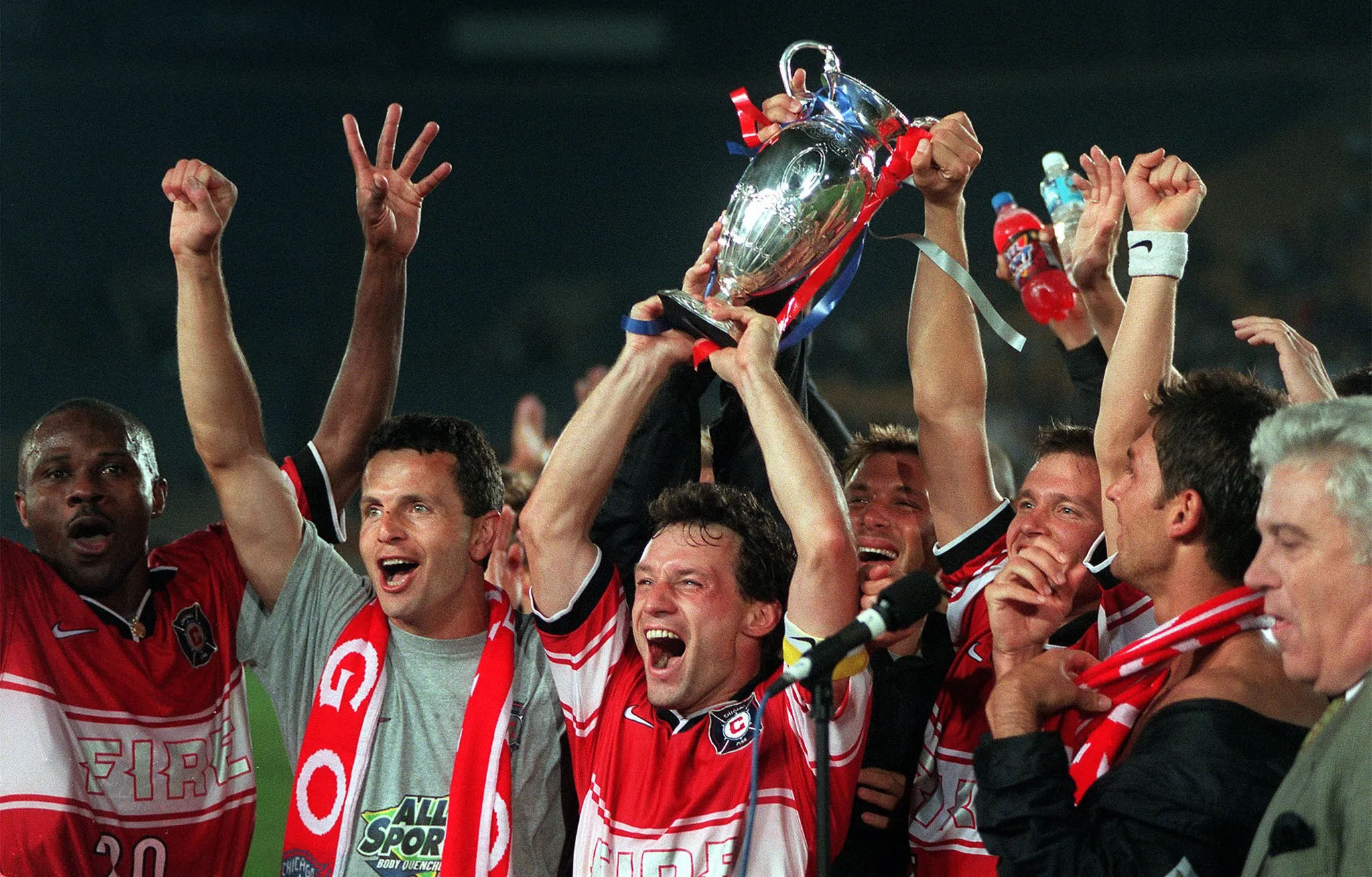
The up-and-coming MLS calendar switch, which will take effect in 2027, has many consequences, but among them is a bigger emphasis on regional rivalries as the league will institute five divisions rather than two conferences. The Fire will face four of their five Central Division opponents this year, and have the chance to establish themselves as the big dog in what promises to be a highly competitive region under the new league model.
The Fire will face Eastern Conference opponents FC Cincinnati and Columbus Crew twice, and will look to build on pretty poor performances against the two Ohio teams in 2025. Berhalter’s team lost three of four meetings home and away, including defeats in both matches in the Buckeye State. Big results against those teams – who have perennially been among the East’s elite for several years now but could be poised for challenge seasons in 2026 – should be essential to set the tone in the Midwest.
They’ll also face two of their three Western Conference opponents, Sporting KC and St. Louis. Beating St. Louis has to be a must, as it has been since the team entered the league, especially as they emerge as the Fire’s top regional rival. Winning at home against an SKC side that finished dead-last in MLS last year and would comfortably be relegated if MLS did that is also a must.
A side objective of the Fire should be to finish first among all six Midwestern teams, which include the aforementioned four opponents plus Minnesota United. It would set the stage for the upcoming calendar flip and completely overturn the narratives that have surrounded the Fire for the better part of the last 15 years.
Make it to CONCACAF
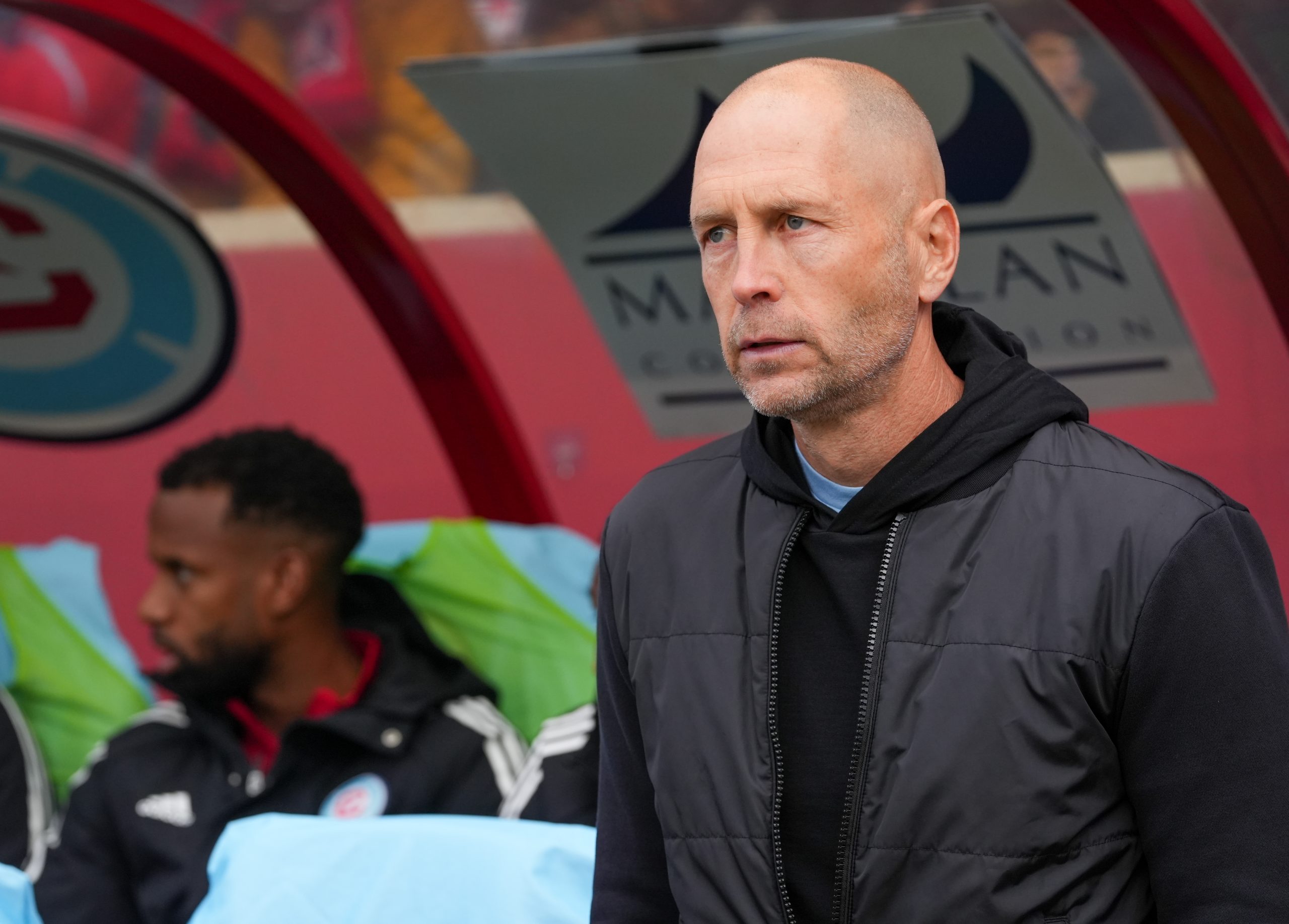
While it feels fitting and proper that the Chicago Fire are once again competing for the U.S. Open Cup this year, and their improved play in 2025 also meant that the team is back in the Leagues Cup in its current format, there is, however, a significant competition to them that the Chicago Fire have never participated in: The CONCACAF Champions Cup, at least, since the modern era of the competition began in 2008. (The Chicago Fire were active in the previous, eight-team edition of the tournament; ironically, where teams couldn’t qualify through the Open Cup, advancing past Trinidad’s San Juan Jabloteh in the first round before falling to Saprissa in the semifinals.)
It’s time that changes, and the Chicago Fire have a better chance to do that now than they have in any time since the modern format of the competition was introduced.
In 2026, the team can qualify by winning the U.S. Open Cup (something they are in a strong position to do, given the current format of the competition), winning MLS Cup or placement in MLS standings, or by making it as one of the top three teams to the Leagues Cup. Depending on how other results shake out, the Fire could potentially qualify just by advancing far enough in U.S. Open Cup.
That’s how Sporting Kansas City made it in 2025, due to their U.S. Open Cup final appearance, despite finishing the year with 31 points, just one more than the Fire. The L.A. Galaxy are in this year’s tournament due to a third-place Leagues Cup finish, despite finishing with 30 points (good for 14th place).
Making the competition in 2027 gives the Fire a chance to compete on a stage which it never has – and, who knows, maybe the possibility of bringing Brian Gutiérrez back to Chicago, in a game that would surely have massive attention and bring a lot of eyes on the Fire.
Win a Trophy
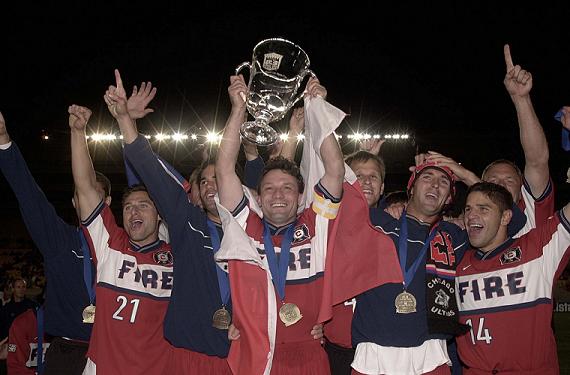
While the Fire ended the most pressing droughts in 2025, reaching the playoffs and advancing, the lack of silverware is still hanging over their head. 2026 will mark twenty years since Chicago Fire last lifted a significant trophy (the 2006 US Open Cup) and fifteen years since they competed in a major final. Though the Fire were victorious in Gregg Berhalter’s first Brimstone Cup, the club needs to have its sights set on bringing major silverware home in 2026 to solidify themselves as a contender, and get back on the map of top MLS teams.
There was an opening in 2025: Entering a midweek match against Minnesota United in the USOC Quarterfinals the Fire started a rotated squad, went down a man early, and still nearly reached penalties at Allianz Field before a late winner from Kelvin Yeboah helped the Loons advance to the semifinals. The Fire announced earlier this month they will return to the Open Cup, still seeking to be the first club to claim the trophy for the fifth time. With the extended schedule and additional congestion from the World Cup, there could be opportunities for a team like the Fire to win the tournament, should they prioritize it over league results.
The second opportunity for a trophy will come in mid August as the Fire join the other MLS playoff teams in the 2026 edition of Leagues Cup. While the competition may be lowest on the totem pole for some fans it offers a unique opportunity for the club to test themselves against the other powers of the continent. Add in the expected return of André Franco and World Cup buzz, the 2026 Leagues Cup may have the most eyes it’s had since Lionel Messi claimed the title after arriving in Miami.
Finally, the two that remain top of mind for every team in MLS: the Supporters’ Shield and MLS Cup. To legitimately compete for the Supporters’ Shield - the highest regular season point total in MLS – may still be a year or two away for Berhalter’s group. In four of the last six full seasons the shield winner finished with 69 or more points, still sixteen points ahead of where the Fire finished in 2025, and the historically strong Eastern Conference of last year has become even stronger this season.
While a top four conference finish is on the table, of the two, MLS Cup seems the more likely – if still somewhat improbable – target for the Fire in 2026. We saw in moments an attack that looked like the best in MLS. Now with serious defensive reinforcements, a full offseason of rest for their stars, and another transfer window of roster churn to remove any excess weight, the Fire should be poised to compete with anyone in MLS when it comes to the knockout rounds.
Keep Up The Growth of the Supporters Section
Last season saw a revitalization in the Supporters’ Section that began to mirror the team on the pitch. Renewed commitment to collaboration across supporters’ groups and the best soccer seen in Chicago in a decade paved the way for a section that not only grew and stood out but offered a legitimate homefield advantage in some of the biggest games of the season. We heard it from players, coaches, even from commentators and supporters themselves – the vibes and experience in and around the section changed for the better in 2025.
With a world cup on home soil and four trophies on the line, the buzz around the team and sport in Chicago is only growing and the club has started holding up their end of the bargain. A winning team playing an exciting, attractive style of soccer and a new stadium on the horizon make the team a good story – but a great atmosphere that only an active, energized and packed supporters section can provide make it a story that you can feel and not just see.
When the stadium finally opens and the steepest stand in MLS welcomes in supporters, it needs to have all 1,997 seats filled cheering for the Men In Red, and the work to get there starts in 2026. The supporters need to continue the collaboration, redouble their outreach efforts, and bring the same passion that they did in the earliest days of the team’s history, making it so that when the postseason rolls around, Chicago is once again a feared venue for visiting teams.


